
What Is Social Work Supervision?
Updated: Sep 6
Social work supervision is a structured professional space for reflection, learning, ethical decision-making, accountability, and support.
At its best, it helps social workers slow down complex practice, think more clearly, and stay connected to the values and responsibilities of the profession. It can include case discussion, but it should reach further than that. Good supervision can also involve reflection on risk, boundaries, power, cultural context, documentation, use of self, workplace pressure, professional identity, and the emotional weight of practice.
For booking details, fees, and supervision options, see my page on online social work supervision in Australia.
Why asking what is social work supervision matters
Many social workers first look for supervision when something has become difficult. A complex case. A workplace rupture. A complaint concern. Burnout. Credentialing pressure. A private practice question. A sense that the work has become heavier than usual.
That is understandable. But supervision works best when it is part of ordinary professional maintenance, not only a response to crisis.
Social work often asks practitioners to hold uncertainty, distress, systems pressure, and ethical tension at the same time. Without reflective space, practitioners can start carrying too much alone. Supervision gives that weight somewhere to be named, examined, and understood.
The Australian Association of Social Workers (AASW) describes supervision as an ongoing activity that supports professional identity and growth across social work roles and settings. AASW’s current Practice Standards page also notes that the older Supervision Standards were retired from 22 June 2023, so supervision language should be aligned with current AASW expectations rather than outdated documents.
What is social work supervision in practice?
In practice, social work supervision may include reflection on:
complex casework
ethical dilemmas
risk assessment and documentation
professional boundaries
vicarious trauma and cumulative stress
workplace dynamics
leadership pressure
cultural context
private practice decisions
professional identity
use of self
career development
Some supervision is provided internally through a workplace. Some practitioners also seek external supervision when they need a confidential space outside line management.
The best supervision is responsive rather than formulaic. It should fit the practitioner’s role, practice setting, experience, responsibilities, and current pressures.
What is social work supervision for early-career practitioners?
For early-career social workers, supervision can support the transition from university into professional practice. It can help with confidence, role clarity, ethical decision-making, documentation, client complexity, workplace culture, and the development of professional identity.
Early-career practitioners sometimes worry that bringing uncertainty to supervision means they are not competent enough. In reality, the capacity to bring uncertainty into reflection is part of professional growth.
Good supervision should help early-career social workers think clearly without shaming them for learning.
What is social work supervision for experienced practitioners?
Experienced practitioners also need supervision. Complexity does not disappear with experience; it changes shape.
For senior social workers, practitioners in private practice, managers, consultants, policy workers, and leaders, supervision may involve more strategic and ethical questions: governance, risk, professional isolation, organisational dynamics, staff wellbeing, accountability, leadership judgement, and keeping practice workable over time.
The more senior the role, the easier it can become to lose access to honest reflective spaces. External supervision can be especially useful in that context.
What is social work supervision in relation to CPD and credentialing?
For some practitioners, supervision also connects with CPD, employer requirements, or credentialing pathways.
AASW’s AMHSW CPD audit information refers to a total of 30 hours of CPD, including 10 hours of Category 1 supervision, for AMHSW CPD evidence. Practitioners should always check current AASW requirements for their own circumstances.
Supervision records can support documentation, but the purpose of supervision should be bigger than documentation alone. The form matters. The thinking matters more.
What is social work supervision meant to protect?
Supervision protects more than compliance. It protects thoughtfulness.
It protects ethical practice.
It protects professional judgement.
It protects the practitioner’s ability to keep thinking when the work becomes heavy.
It protects the space between reacting and responding.
That space matters in social work.
What is social work supervision at LEXs?
At LEXs, social work supervision is reflective, culturally responsive, and professionally grounded. It is offered online across Australia for social workers in private practice, community services, mental health, family violence, AOD, policy, leadership, and related settings.
The work is collaborative rather than hierarchical. You bring the material; we think with it carefully.
When the work becomes too complex to carry in your own head, I offer online social work supervision in Australia as a place to think clearly, ethically, and with enough room for the human weight of practice.
Social work supervision with LEXs
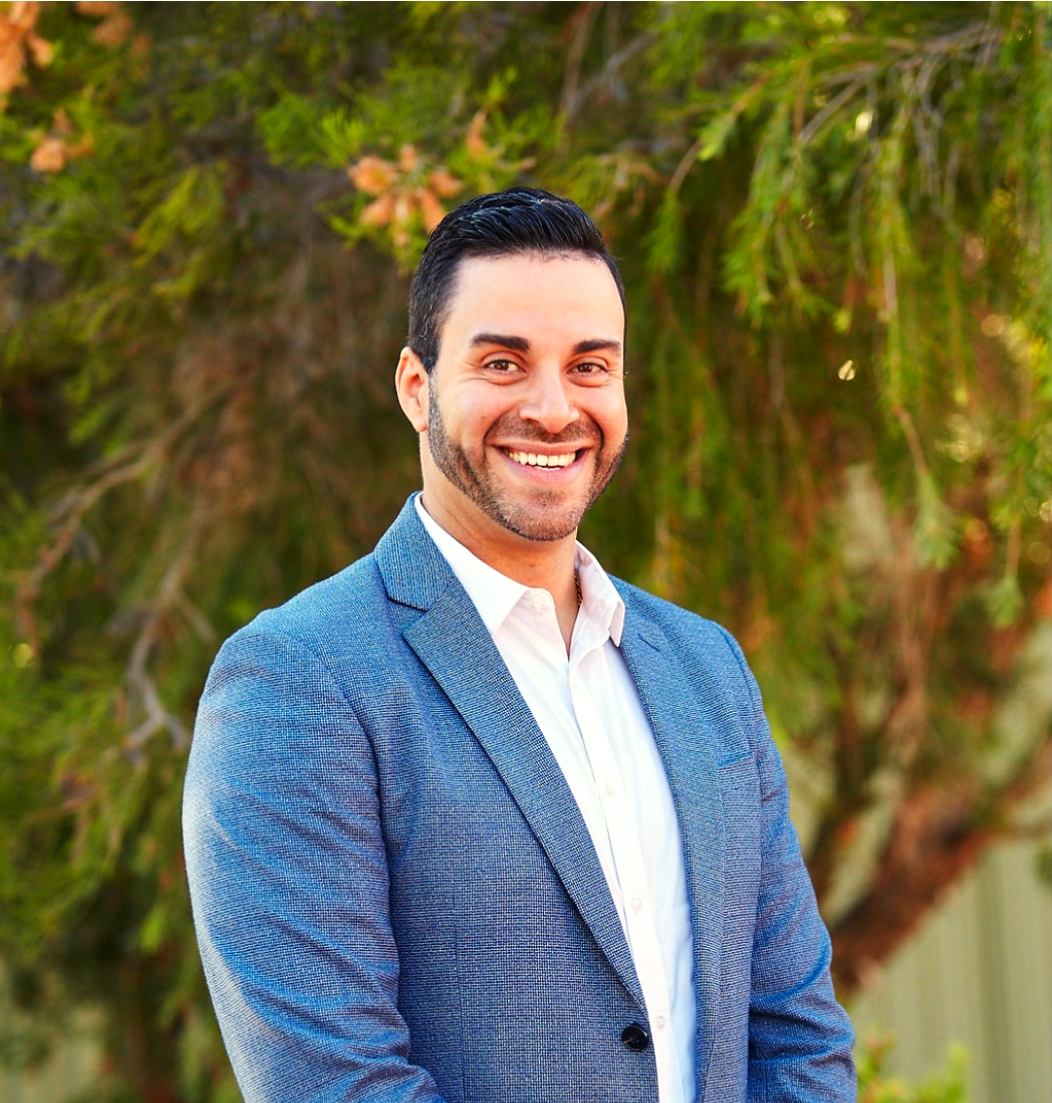
Michael Elwan is an Accredited Social Worker and was named AASW Social Worker of the Year 2025. He provides reflective, culturally responsive online social work supervision across Australia.

Comments