
Beyond Case Management: Culturally Responsive Social Work Supervision
A case update can tell us what happened. Supervision also needs to examine how a practitioner understood it, whose perspective shaped the response and what support the work requires.
In complex multicultural practice, those questions can involve language, migration, family expectations, racism, organisational power and the practitioner's own assumptions. Their relevance needs to be explored with the people involved. A person's cultural background does not supply an explanation on its own.
Move from an account to a question
A supervision conversation can begin with a precise description of one situation, then examine the judgement that followed. What did the practitioner observe? What did they infer? What was checked with the person or family? Where do different interpretations remain possible?
For example, a note that someone was reluctant to engage leaves several questions open. Which invitation was made? In what language and setting? What response was observed? What did the person say about the next step? Asking these questions can make the discussion more specific without deciding in advance what the explanation must be.
Ask about context without assigning meaning
Culture may shape how people understand distress, support, authority and privacy. So may age, class, gender, disability, professional hierarchy and previous experiences of services. A supervisor can help the practitioner explore these possibilities while keeping the person's own account central.
A useful question is: Whose explanation are we using, and what would we need to ask before relying on it? The same care applies to feedback within supervision. Silence or disagreement should not be explained by a supervisee's cultural background without asking about their experience of the conversation.
Make hidden work visible
Some work is easy to miss in a caseload discussion: explaining service expectations, navigating competing family and professional obligations, responding to racism, or repeatedly being asked to interpret a whole community's perspective.
Supervision can make that work discussable. What is the practitioner being asked to carry? Is it part of their role? What time, support or boundary is needed? Cultural knowledge should not become an unlimited additional responsibility, and a worker's language skills do not automatically make interpreting part of their role.
Connect reflection with a workable next step
The next step might be a different question, a clearer explanation, a conversation about consent or a request for organisational support. Agree what is within the practitioner's authority and what requires a manager or another service function to act.
This distinction also matters when organisations support lived and living experience roles. Reflective supervision creates space to examine judgement, disclosure and boundaries. The organisation remains responsible for the role's remit, workload, access to information and response to advice.
About the accepted online poster
My abstract, Beyond Case Management: Culturally Responsive Social Work Supervision for Complex Multicultural Practice, has been accepted as Poster 75 for the Global Mental Health Summit in Perth, 14 to 16 October 2026.
This companion article explores practical questions connected with the poster topic. Summit information is available on the organiser's website.
Supervision and training through LEXs
LEXs provides online Social Work Supervision across Australia. I also deliver training for supervisors, managers and practice leads on providing culturally responsive supervision. To discuss either service, tell me about your role or team and the practice situations you want to examine.
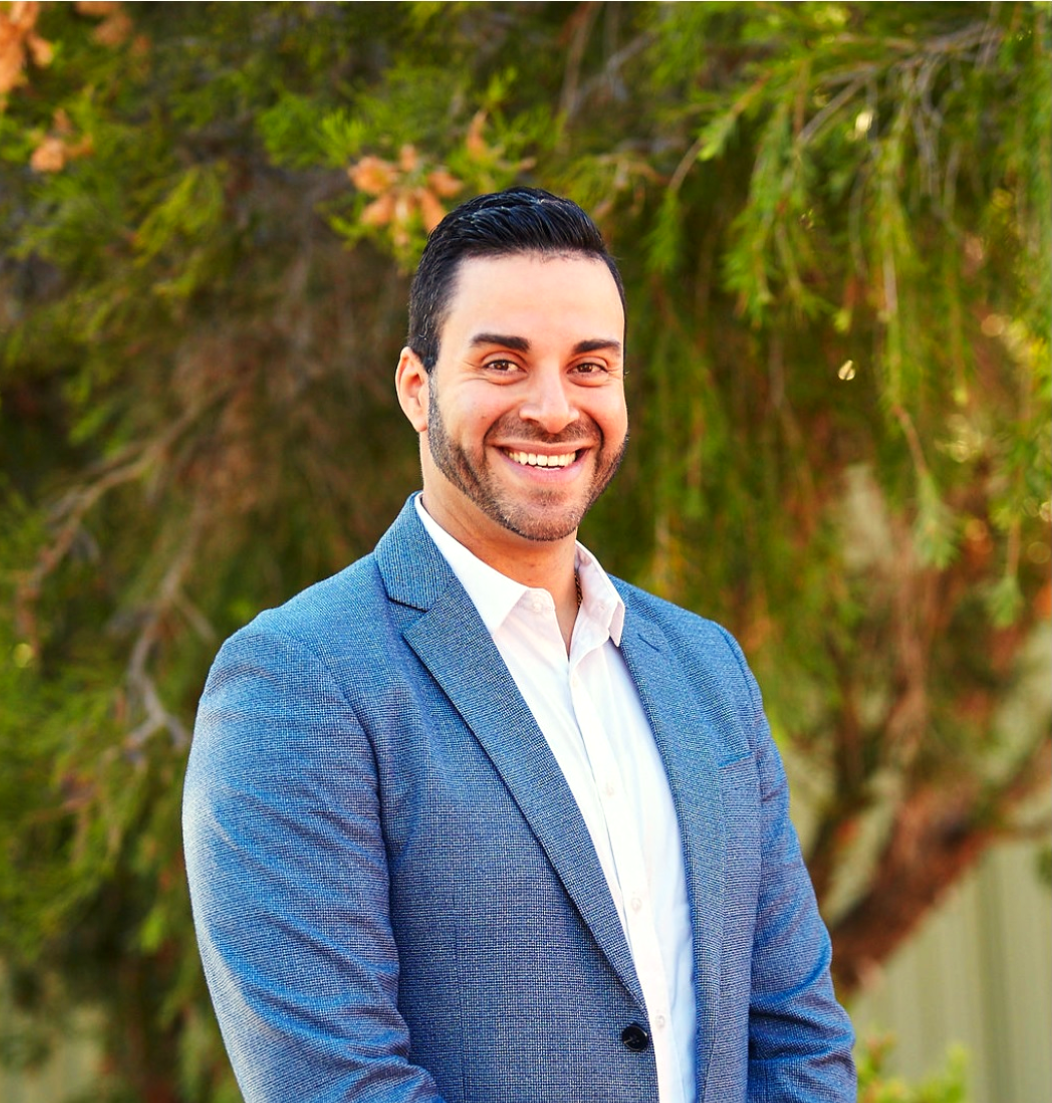
Michael Elwan is the Perth-based Founder and Director of Lived Experience Solutions (LEXs), an Accredited Social Worker, PhD candidate and AASW Social Worker of the Year (2025).


Comments