
Multicultural Mental Health Leadership: Recognition, Responsibility, and What Comes Next | Michael Elwan
Updated: Sep 16

Recognition in multicultural mental health leadership
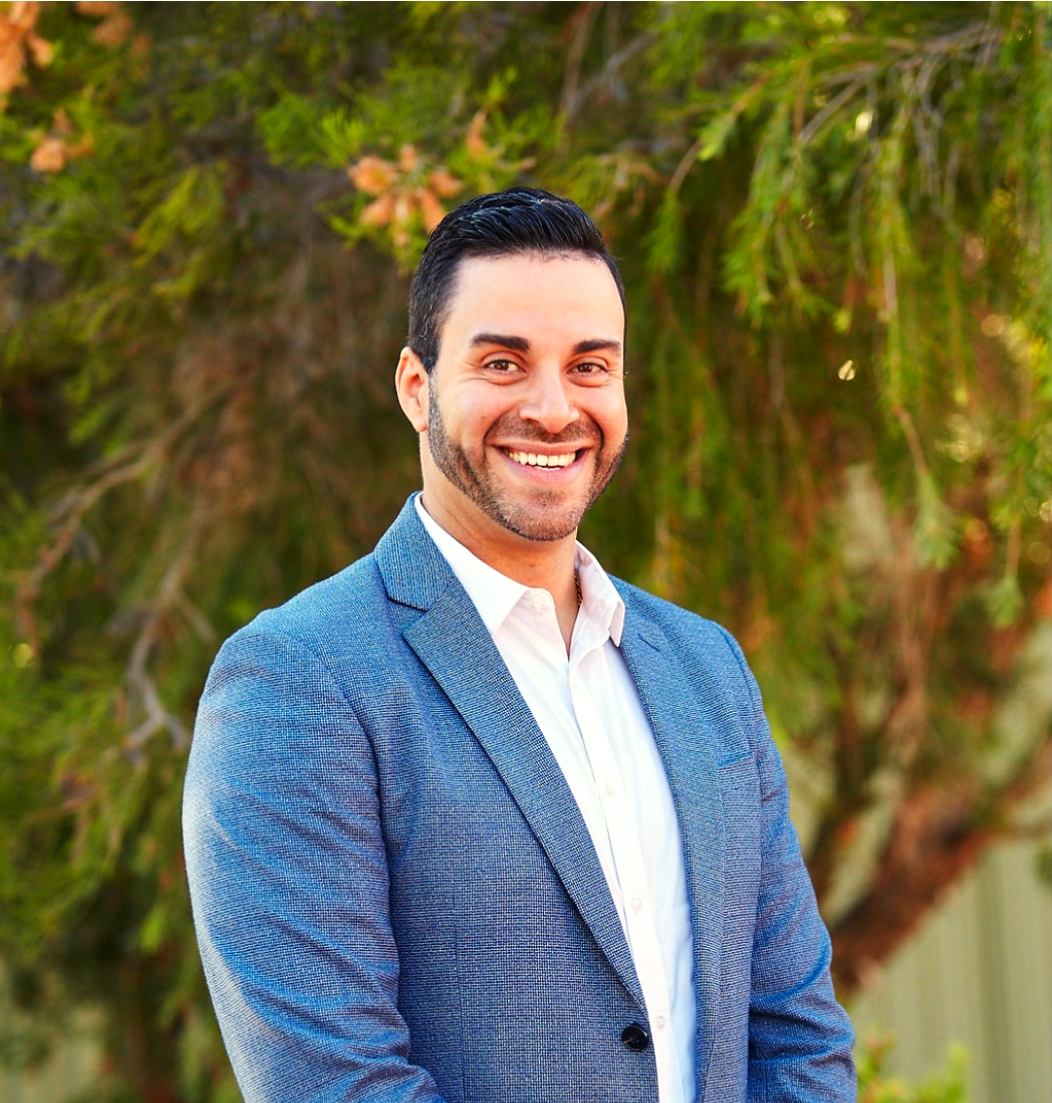
Being recognised at the 2026 WA Multicultural Awards as the recipient of the Outstanding Individual Achievement Award is something I hold with care.
The recognition was featured in PerthNow through the Mandurah Times; highlighting work across multicultural mental health, suicide prevention, and lived and living experience-informed practice.
Recognition like this can easily be framed as a personal milestone.
It doesn’t feel that way.
It lands more as shared acknowledgement; of communities, clients, colleagues, and the many people whose trust sits underneath the work.
What multicultural mental health leadership actually involves
Multicultural mental health leadership is often spoken about in broad terms.
In practice, it is precise, relational, and at times uncomfortable.
It involves sitting with people navigating:
identity across cultures
expectations that do not translate cleanly across contexts
stigma that is shaped differently in each community
systems that are not always designed with them in mind
The article reflects this through work supporting individuals and families living between cultures; holding migration, identity, grief, and mental health challenges at once.
What is often missed is the ongoing negotiation this requires.
Not occasionally.
Daily.
The quieter reality behind the work
There is a pattern that sits underneath multicultural mental health work.
It is often relied upon; yet not always recognised.
The visibility that comes with awards can create a neat narrative. The work itself is rarely neat.
It is built through:
conversations that take time to earn
trust that can be easily lost
cultural nuance that cannot be reduced to checklists
Even in the coverage, there is a line that points to this reality; that much of this work remains unseen.
That is not accidental.
It reflects how systems tend to centre what is measurable over what is relational.
From recognition to responsibility in multicultural mental health leadership
Recognition changes the frame slightly.
It introduces a different kind of accountability.
Not to maintain visibility; but to deepen the work.
For me, that sits in three areas:
Staying close to lived and living experience: Not as a concept; but as ongoing knowledge that continues to shape practice.
Supporting practitioners and organisations: To move beyond surface-level cultural responsiveness; toward work that can actually hold complexity.
Influencing systems: Where multicultural realities are simplified, overlooked, or treated as secondary.
What this recognition signals for Australia
There is something broader here.
Recognition of multicultural mental health leadership at this level suggests a gradual shift within Australia.
An acknowledgement; still emerging; that mental health systems need to respond differently to multicultural communities.
Not only through access.
But through understanding.
That includes:
recognising lived/living experience as legitimate knowledge
engaging communities as partners in design and delivery
moving beyond translation toward cultural meaning
These shifts are uneven.
But they are becoming harder to ignore.
Continuing the work
An award is not a conclusion.
If anything, it clarifies where the work is still needed.
people who remain outside the system
experiences that are misunderstood or minimised
practitioners trying to respond without adequate support
So the orientation stays the same.
Toward care that feels human.
Toward systems that can hold complexity.
Toward work that does not require people to translate themselves just to be understood.
Closing reflection on multicultural mental health leadership
Recognition matters.
But what it enables matters more.
If this moment contributes to stronger multicultural mental health leadership in Australia; if it opens space for others; if it shifts how systems listen and respond; then it holds value beyond the award itself.
The rest is continuing the work.
LEXs is Michael Elwan's Perth-based practice, working online across Australia. Services include training and workshops, lived experience consultancy, Social Work Supervision, Lived Experience Leadership Supervision, Frontline Supervision, therapy and keynote speaking. Training and workshops can be commissioned for organisational leaders, practitioners and frontline teams, and carers, families and communities. Explore LEXs services.


Comments