
More Than a Suitcase: Migration, Masculinity and Mental Health | Michael Elwan
Updated: Sep 27

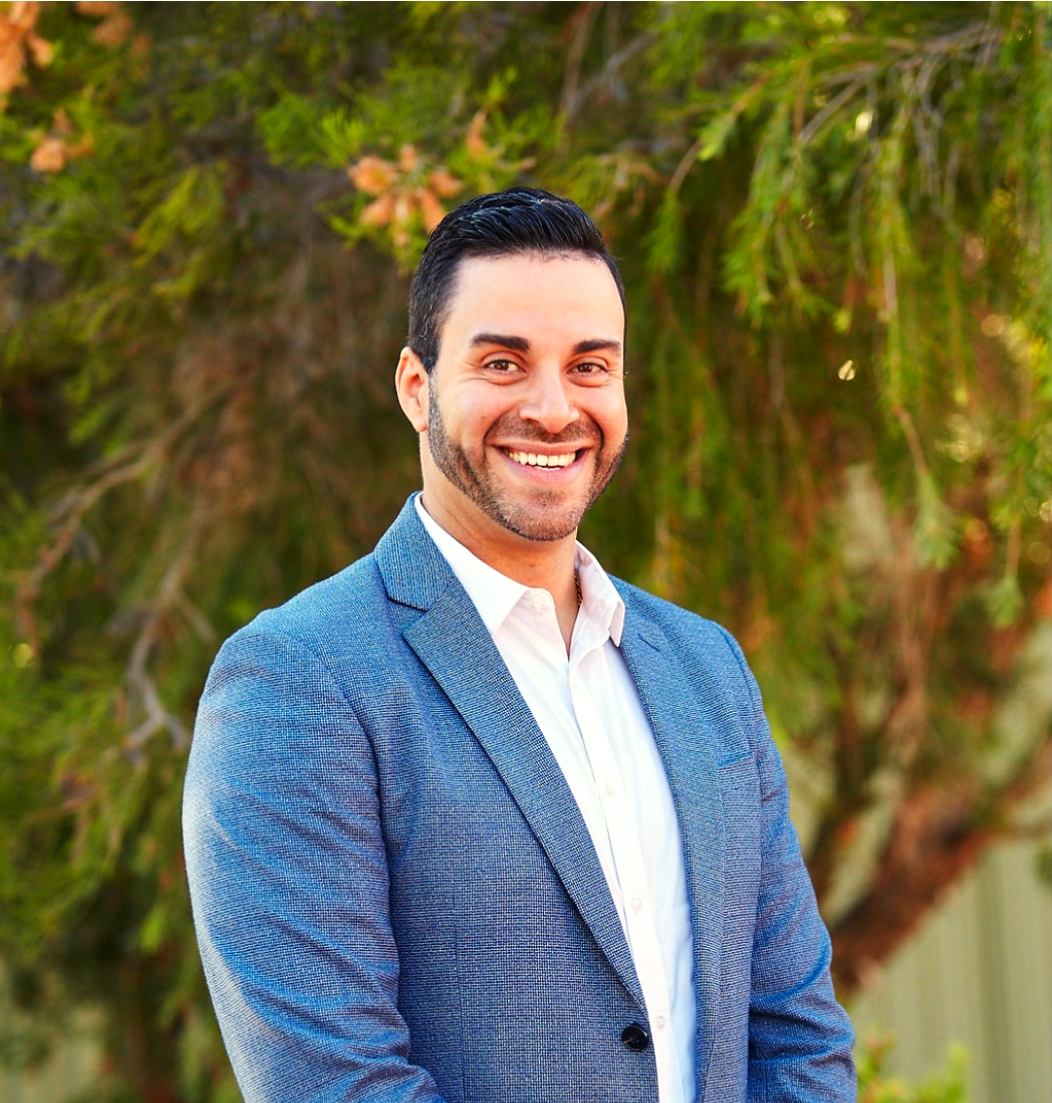
I’m honoured to share that my latest reflective essay, More Than a Suitcase: Migration, Masculinity and the Emotional Weight of Starting Again, has been published by the ALIVE National Centre for Mental Health Research Translation.
This essay explores migration, masculinity and mental health through lived and living experience. It begins with a moment many migrants recognise; arriving alone at an Australian airport, carrying more than luggage. What follows is not only a change of country, but an inner migration shaped by grief, responsibility, silence, and cultural expectations of strength.
I reflect on growing up in Alexandria, caring for my father after he lost his sight, witnessing my mother’s distress, and later rebuilding my life in Australia. Migration is often described as opportunity or reinvention. In reality, it also involves carrying histories that do not dissolve at the border.
A central theme in the piece is how masculinity intersects with migration and mental health. Many migrant men learn early that endurance is valued more than expression, and duty more than rest. In my work with men from multicultural backgrounds, I’ve seen how silence often functions as protection rather than avoidance, and how what looks like resilience can mask deep exhaustion.
The essay also examines how mental health systems respond to migrant men. While Australia’s services are well resourced, they are not always well attuned to cultural meaning. Distress is frequently assessed before it is understood. Symptoms are prioritised over stories. For many men, help-seeking requires translation across emotional, cultural, and relational worlds.
Alongside personal reflection, the piece offers grounded insights for practitioners and services working at the intersection of migration, masculinity and mental health. These include beginning with meaning rather than checklists, acknowledging the dual weight of duty and grief, using human language instead of clinical shorthand, and building safety through relationship rather than procedure.
This work sits within ALIVE’s writer-in-residence series and draws on years of lived experience, therapeutic practice, and listening to men rebuilding their lives across cultures. My hope is that it offers language for experiences that are often felt but rarely named.
If you work in mental health, policy, community services, or alongside migrant communities, I invite you to read and share the piece. Good care begins when people are not asked to carry their stories alone.
LEXs is Michael Elwan's Perth-based practice, working online across Australia. Services include training and workshops, lived experience consultancy, Social Work Supervision, Lived Experience Leadership Supervision, Frontline Supervision, therapy and keynote speaking. Training and workshops can be commissioned for organisational leaders, practitioners and frontline teams, and carers, families and communities. Explore LEXs services.


Comments